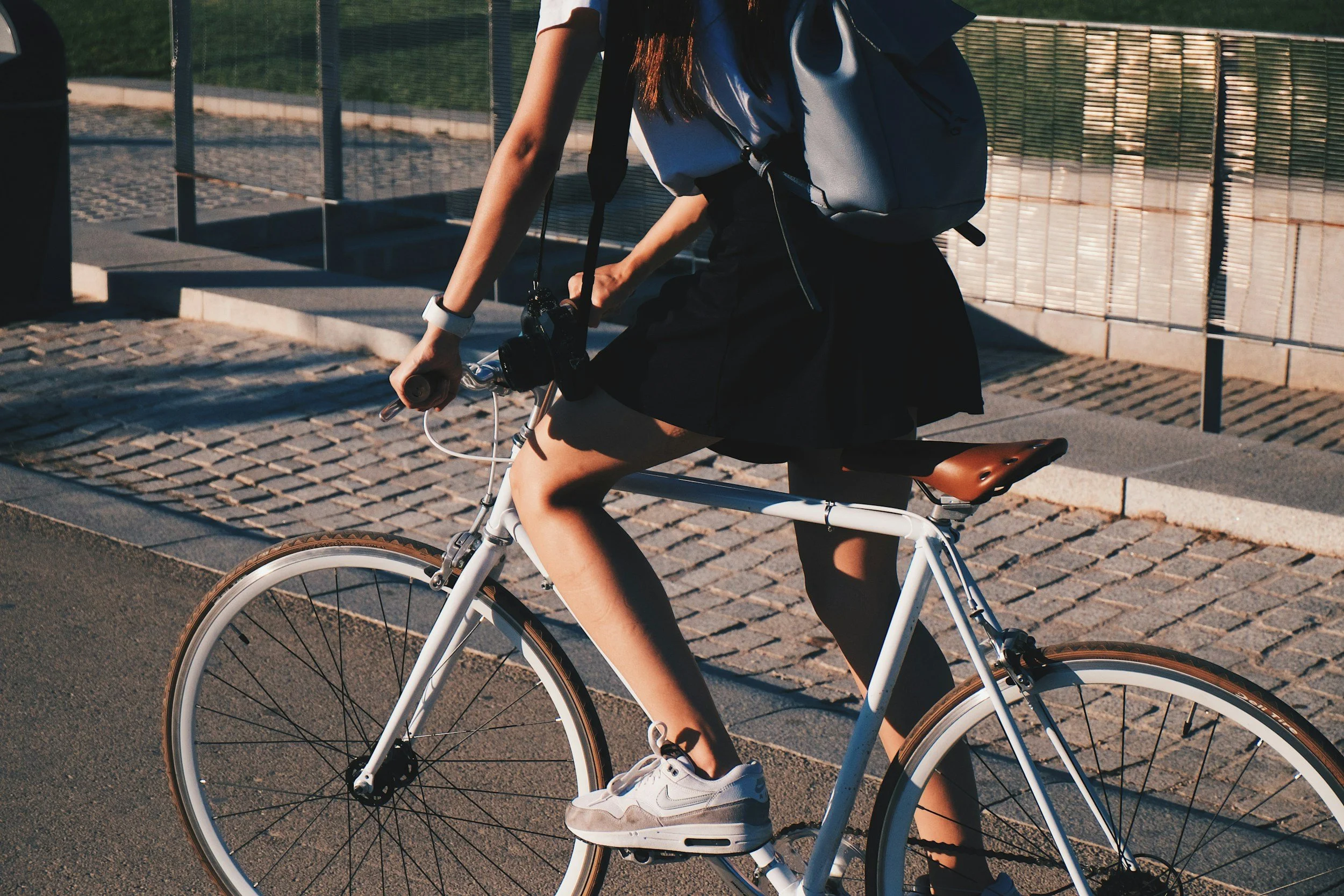
The Power of Active Travel: Why Walking and Cycling to School Matters for Kids and Parents
As PE professionals, PE PRO have seen firsthand how movement transforms young lives, not just in lessons but in every part of a child’s day. One area where this makes a huge difference is active travel: walking, cycling, scooting, or even skateboarding to and from school. Encouraging children (and their parents) to engage in active travel isn’t just a nice-to-have; it’s a game-changer for physical health, mental wellbeing, the environment, and social connections.
Health Benefits: Stronger Bodies, Healthier Hearts
Active travel is a simple yet powerful way to help children achieve the recommended 60 minutes of daily physical activity. Regular walking or cycling strengthens muscles, improves cardiovascular fitness, and helps maintain a healthy weight. For parents, it’s a great way to sneak in exercise and model healthy habits.
Research consistently shows that children who travel actively to school have better fitness levels than those who rely on car travel. A study by the Journal of Transport & Health found that children who walked or cycled to school were significantly more active overall, helping to reduce childhood obesity risks.
Mental Health: Moving Minds, Boosting Mood
Exercise doesn’t just benefit the body; it fuels the mind. Active travel has been linked to lower stress levels, improved concentration, and higher self-esteem in children. Starting the day with movement prepares young minds for learning and helps parents manage the daily stresses of the school run.
A study in the British Journal of Sports Medicine reported that children who commuted actively had better attention spans and were more alert in class. Plus, the sense of independence and achievement they gain from active travel can boost confidence that lasts all day.
Environmental Impact: Small Changes, Big Difference
Each car trip avoided reduces congestion and air pollution around school gates. Encouraging walking and cycling contributes to cleaner air, safer streets, and a reduction in greenhouse gas emissions. Teaching children sustainable habits early sets the stage for environmentally conscious adults.
Social Benefits: Community and Connection
Active travel creates opportunities for social interaction. Walking or cycling with friends or neighbours fosters a sense of community and helps children develop social skills outside the classroom. Parents walking together can strengthen bonds, share advice, and make the school run a positive daily ritual.
The Evidence Speaks: Data on Positive Impact
Health: Children who actively commute to school are up to 40% more likely to meet daily activity guidelines.
Mental wellbeing: Active travellers report lower levels of anxiety and depression compared to peers who travel by car.
Environment: Every 1 km walked instead of driven reduces carbon emissions by approximately 0.2 kg of CO₂.
Social: Schools that promote walking and cycling see increased engagement in community programmes and school events.
A Challenge to PE Professionals and Schools
We know the benefits, now let’s celebrate them! I challenge schools and PE professionals to track how their students and staff are traveling to school in an active way. Whether it’s a morning walk, bike ride, or scooter journey, share your stories and pictures with us on social media. Tag us at @pepro_outdoorpro and show the positive impact of active travel in your school community. Let’s inspire others to move, connect, and protect the planet—one step at a time.